Dark, sound-driven arena shooter for tactical multiplayer
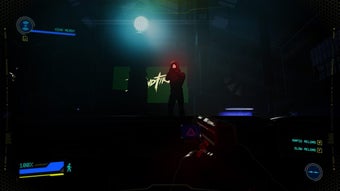
Blindfire, developed by Double Eleven, is a PlayStation 5 first-person arena shooter that stages combat in near-total darkness. Players rely on sound cues, brief flashes of light, and specialized tech to locate opponents and survive tense encounters. Matches emphasize tactical decisions around firing and environmental traps, creating a sensory-focused multiplayer experience. This design targets competitive FPS players who want high-stakes, moment-to-moment decision making over traditional sight-based combat.
Blindfire recasts arena shooting into an audio-first contest
The game places action in a near-future, neon-drenched underworld and builds mechanics around non-visual navigation. A dedicated pulse ability called "Echo" reveals rough outlines of walls and enemies for a short window, forcing players to choose when to scan. This shifts the core loop from constant visual tracking to timed information bursts and movement that exploits verticality and choke points.
Multiplayer focus shapes match structure and social strategy
Competitive play is central: matches run as head-to-head encounters with both free-for-all and team-based options, and cross-platform play connects consoles and PC. The title does not center on a single-player campaign, so progression and practice occur inside repeated arena rounds. Expect matchmaking and short rounds to be the primary way players learn maps and cooperative tactics.
Sound and atmosphere carry the sensory load
Audio design supplies most in-game information: environmental pings, footsteps, and sirens indicate direction and movement while brief visual cues such as muzzle flashes and scanner blips offer temporary clarity. Visuals lean into a neon palette that frames the underworld setting rather than detailed, well-lit locales. Directional audio and spatial cues therefore matter more than texture fidelity for moment-to-moment decisions.
Learning curve and replayability reward pattern recognition
Expect practice to pay off: dynamic arenas with traps, vertical layouts, and narrow corridors change how sound propagates each match, encouraging repeated sessions to master audio signatures and map hazards. Community response highlights the novelty of this sensory-driven approach, and rounds tend to favor players who develop quick interpretation of pings and footsteps to anticipate opponents.
Best for competitive teams and players who enjoy sensory challenges
The game is a focused choice for squads and competitive players who value quick decision-making and tight arena encounters; it favors coordinated play and precise listening. Players who seek cinematic, single-player storytelling or slow-paced progression find the design less aligned with their priorities. For those after short, intense multiplayer duels that reward timing and audio awareness, this title delivers a distinct competitive experience.
Pros
Echo pulse ability converts sound into usable spatial information
Maps with verticality and traps keep rounds varied and tense
Cross-platform play unites console and PC players
Matches emphasize tactical timing and high-stakes choices
Cons
No central single-player campaign or narrative mode
Early learning curve requires adapting to audio-first mechanics
Match size and arena scope prioritize compact skirmishes over large battles
Laws concerning the use of this software vary from country to country. We do not encourage or condone the use of this program if it is in violation of these laws. Softonic may receive a referral fee if you click or buy any of the products featured here.